Black Mold?
Don't Take Chances! Call the Top Black
Removal Company in Lake Forest and get cleaned up FAST!



Why Choose Us?
- Certified Pros
- Available 24/7/365
- Rapid Response
- Fully Licensed And Insured
- We Work With Your Insurance Company
Call Now (714) 881-7130
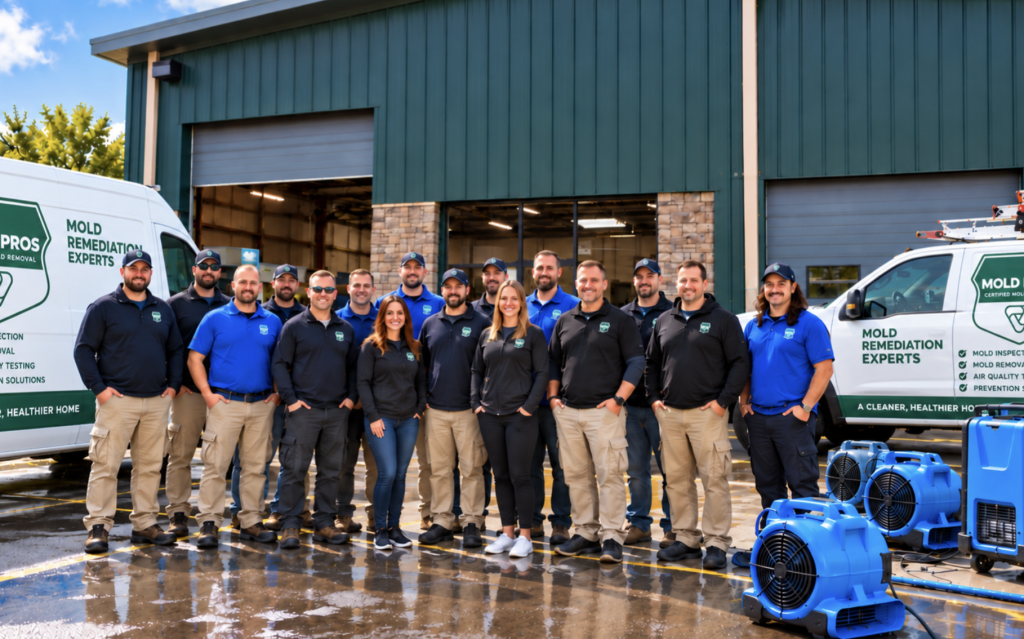
Professional Mold Removal in Lake Forest, California
Mold cleanup should address both the visible growth and the moisture that allowed it to develop. Our local remediation team helps homeowners, landlords, and businesses understand what needs cleaning, what needs removal, and what should remain protected. We work with the conditions found in homes, condos, apartments, offices, and other local properties. The work plan depends on affected materials, work-area size, access, and the moisture source. We explain those factors before the project begins.
What Can Cause Mold Problems in Lake Forest Properties?
Professional mold removal starts with finding the affected area and limiting disturbance. We look at nearby drywall, flooring, insulation, framing, ceilings, and other materials that might hold moisture or settled mold dust. Containment means using plastic walls or barriers to keep dust from spreading into clean rooms. We also use protective equipment and HEPA filtration during controlled removal and cleaning.
HEPA air scrubbers filter fine particles from the air while work is underway. They help protect unaffected areas when materials must be opened or removed. We control the moisture source as part of the remediation plan when that source is accessible and within the project scope. A leaking supply line, roof opening, ventilation problem, or appliance leak still needs attention so the area does not become damp again.
Porous materials absorb water and often cannot be restored through surface cleaning alone. Drywall, insulation, carpet, and some wood products may need careful removal when growth or moisture has reached them. Hard surfaces such as concrete, tile, metal, and some finished framing can often be cleaned when their condition allows it. We avoid disturbing sound materials without a clear reason.
How local moisture problems shape the work
Local properties face moisture patterns that differ from cold-weather markets. Wetter winter storms can drive rain through roof edges, windows, doors, and exterior walls. Heavy rain can also overwhelm local drainage or create concentrated runoff around a structure. Homes near low-lying areas, creeks, washes, or retaining walls need careful attention to how water reached the building. These conditions can influence both the inspection and the containment plan.
Foothill and hillside properties in areas such as Foothill Ranch, Portola Hills, and Serrano Summit may have grading or drainage conditions that direct water toward walls. That does not mean every property in those areas has a mold problem. It means the source investigation should consider soil slope, downspouts, irrigation, exterior walls, and nearby retaining features. Local public agencies provide map and flood-zone resources that can help owners research broader drainage conditions.
Indoor moisture also matters during dry Southern California weather. Bathroom steam, kitchen moisture, HVAC condensation, and slow plumbing leaks can keep materials damp without a major storm. A closed room with weak ventilation may develop growth around ceilings, windows, cabinets, or exterior walls. We connect the visible condition to the likely moisture path instead of treating every dark mark as the same problem.
What’s Included in mold remediation?
Our mold remediation scope focuses on controlled removal, cleaning, and protection of the work area. The exact tasks depend on what the affected materials show once the area is contained and opened as needed. A typical scope may include the following services:
- Work-area containment using plastic barriers to reduce the spread of mold dust.
- HEPA air filtration, protective equipment, and controlled handling of affected materials.
- Removal of damaged porous materials and cleaning of suitable hard surfaces.
Drywall and insulation usually require more careful removal than tile or concrete. Carpet, padding, and subflooring need attention because moisture can remain below the visible surface. Framing may require cleaning and drying rather than replacement when its condition supports that approach. Attics, crawl spaces, and wall cavities also require different access and containment decisions.
Residential work often centers on a bathroom, bedroom, kitchen, laundry area, or isolated leak. Commercial work may involve occupied offices, apartments, schools, medical facilities, retail properties, or larger connected areas. In those settings, protecting clean spaces and planning access matters as much as the visible cleanup. We organize the work around the affected area rather than spreading disruption through the entire property.
What’s Not Included in mold remediation?
Mold remediation is not the same as rebuilding every damaged part of a building. The service addresses mold-affected materials and suitable cleaning, while finish repairs, painting, replacement cabinets, new flooring, and other reconstruction work need separate planning. Plumbing, roofing, drainage, and electrical repairs also involve different trades when they caused the moisture. We identify those boundaries so damaged areas are not covered before they are dry and clean.
- Independent mold testing or laboratory identification is not part of the cleaning work.
- Full reconstruction of walls, ceilings, cabinets, flooring, or other finishes is separate from remediation.
- Repairs to active plumbing, roofing, drainage, appliances, or ventilation systems require attention to the moisture source.
Painting over visible growth does not solve moisture trapped behind a surface. Replacing a wet section without addressing the leak also leaves the building at risk for recurrence. Owners should keep repair records, photographs, and invoices related to the moisture event. Those records can help when discussing the project with a property manager, insurer, or repair contractor.
What materials need cleaning or removal?
The material involved often determines how invasive the work becomes. Porous products soak up water and can hold growth below the surface, which makes simple wiping unreliable. Nonporous materials usually offer better cleaning options when they are intact and accessible. We consider the material, the extent of growth, the length of moisture exposure, and the condition of the surrounding area. These factors help determine whether cleaning, drying, or removal is appropriate.
Drywall can hide moisture inside paper layers and wall cavities. Insulation may need removal when it is wet or visibly affected. Carpet and padding can hold moisture below furniture and along tack strips, while subflooring may require additional drying or access. Wood framing, concrete, tile, and metal are not automatically safe or unsafe based on appearance alone.
People often use the phrase black mold for dark-colored growth. Color alone does not identify the species, so we do not diagnose a mold type by appearance. The safer focus is controlling moisture, limiting disturbance, and removing or cleaning affected materials using appropriate procedures. Further evaluation may be appropriate when the extent or source is unclear.
How project size and cost are determined
There is no reliable single price for every mold remediation project. Actual costs vary based on affected materials, work-area size, containment needs, access, and the moisture source. A small surface area can still require more work if growth extends behind walls or under flooring. A larger visible area may have a clearer scope when the source and affected materials are accessible.
Access affects labor because tight wall cavities, attic spaces, cabinets, and occupied commercial areas require more protection. Containment size also changes when air must be separated from bedrooms, offices, hallways, or shared building systems. Material disposal, HEPA filtration, cleaning steps, and removal depth add to the work plan. An inspection is needed before a final scope and price can be provided.
Do not disturb a suspected area before the scope is understood. Avoid sanding, scraping, or using fans that could spread dust into clean rooms. If there is active water, shut off the source when it is safe and contact the appropriate repair professional. Keep people and pets away from visibly affected areas until the condition is addressed.
Credentials and project communication
Our local mold remediation company is IICRC certified. Our work is focused on mold remediation for local residential and commercial properties. We serve homes, apartments, condos, offices, schools, churches, medical facilities, retail properties, and industrial properties. The same basic safety goals apply, but the access and occupancy plan changes from one building to another.
We explain the planned work area before removal begins. You should know which materials are being considered for cleaning, which materials may require removal, and which repairs fall outside remediation. If occupants remain nearby, the work area needs separation from normal living or business activity. A property manager may also need access rules for tenants, maintenance staff, and contractors.
If you need to discuss suspected mold, call (714) 881-7130. We will listen to what you noticed and discuss the moisture source, affected area, and property type. We can explain what information helps define the work before a final scope and price are prepared. If the issue was discovered after a leak or storm, tell us where water entered and whether materials are still damp. For warning signs, immediate precautions, and independent assessment questions, visit our mold warning signs guide.
Frequently Asked Questions
Can mold be cleaned from drywall?
Drywall can sometimes be cleaned when the affected area is limited and the material remains sound. Removal is often needed when moisture or growth has reached the paper backing or wall cavity. Painting over the surface does not remove hidden moisture or affected material. The condition of the drywall and the extent of exposure guide the decision.
Is dark mold automatically dangerous?
Dark color does not identify a mold species. People often use the term black mold for several types of dark-colored growth. Visible mold should still be handled carefully because disturbing it can spread particles. Health concerns should be discussed with a doctor or a public-health agency.
Can residents stay in the property during remediation?
Occupancy depends on the work area, containment plan, building layout, and the people using the space. A small isolated area may create less disruption than a large project across shared rooms or air paths. Children, older adults, and people with respiratory concerns should receive extra consideration. We explain access limits before work begins.
What should I do after a winter rain leak?
Stop the water source if it is safe and keep people away from wet or visibly affected materials. Do not use fans that blow across suspected mold or remove wall coverings without a plan. Photograph the entry point and note when the leak occurred. Check roofs, windows, doors, gutters, downspouts, and nearby grading after the immediate problem is controlled.